Projects

Want to speak with one of our Hargrove Equipment Solutions Teammates?
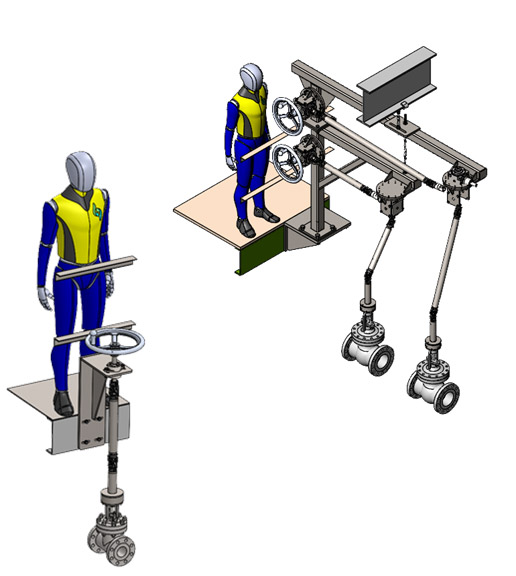
Project: Remote Valve Actuators
Off-the-shelf actuators frequently broke apart or were in hard to access or unsafe areas. HES tasked with design, fabrication, and shipping of 13 new remote valve actuators.
The design of each unit was inserted and checked in client facility model prior to detailing and fabricating.
HES has received (5) additional orders since first set arrived onsite.
Benefits
- Improved safety and ergonomics
- Increased reliability over off-the-shelf OEM options
- Tailored designs for challenging positions
- Seamless installation – one-stop solution
Project: Rubber Feed Hopper Design
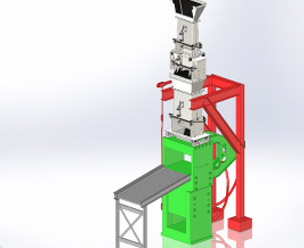
Client requested a new rubber hopper feed chute assembly consisting of three sections. The current design was clogging, and door timing was causing issues.
HES designed new inverted taper chutes to eliminate the clogging issue.
New linkages were added to the door pivot shafts to keep the doors in sync with each other.
Benefits:
- Clogging and dropped loads from incorrect door timing was eliminated .
- Down time for cleaning drastically reduced.
Project: Safety Glove Production Machine FFS Review
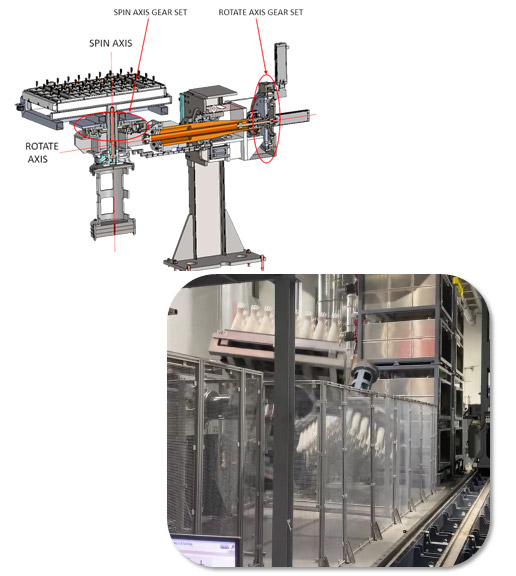
Vendor supplied automated production machine was commissioned in 2022 .
Existing machine could not operate for longer than a month before mechanical / electrical failures.
HES provided EPC services to identify errors in design and assembly and make repairs including. manufacturing and installing new parts, re-wiring, and assembly modifications.
Benefits:
- HES corrected design issues within timeframe provided Machine is back in production as of February 2024.
- HES acted as “one-stop-shop” for all repairs and installation.
Client Comment:
“It would not have been possible to execute the technical complexity within this timeframe without Hargrove’s excellent team. Very strong performance in this area including identification of issues that were not obvious to us.“
Project: Furnace Bolt Failure
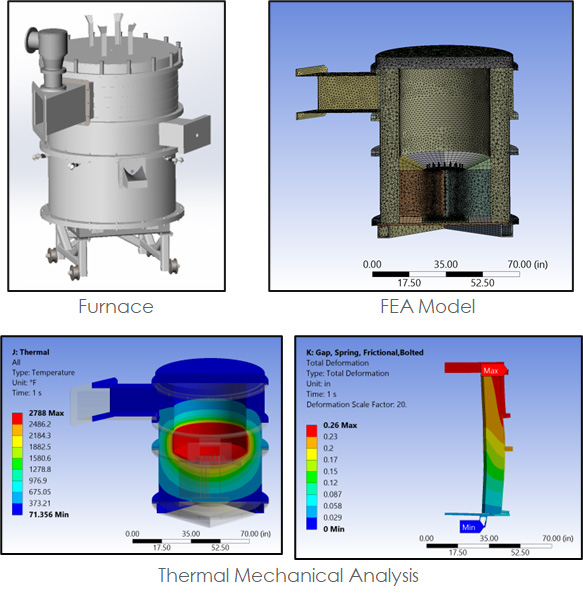
Client has a furnace bottom flange bolt failure during operation and want to investigate if it is caused by the operating condition.
HES performed a Thermal-mechanical analysis for the furnace in operating condition. Predicted temperature distribution was compared to the thermocouple readings. Mechanical analysis using the predicted temperature distribution as the thermal load was performed to assess deformation, and stress within the bolts.
The analyses found that thermal load in operation condition is not the root cause of the bolt failure.
Benefits:
Client gained better understanding of the thermal-mechanical behavior of the furnace and no change of the operating condition should be made for solving the bolt failure issue.
Project: Wet Gas Scrubber
Hargrove’s Concord, CA location won a multiphase project to remove and replace existing ductwork associated with a new economizer.
Our fitness-for-service assessment confirmed a large section of the existing ductwork could be reused.
We performed a design by analysis to evaluate new routing of ductwork.
Benefits:
Project saved $3MM+ by re-rating existing ductwork.
Improved construction schedule by heavily reducing ductwork activities.
Provided design verification for multi-million-dollar expansion joints.
Project: Upgrade Gas Atomization Process
Client plans to improve the yield of their product by increasing the processing temperature.
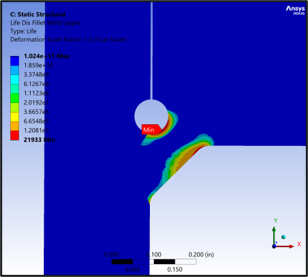
HES was asked to analyze the impact of the temperature rise, with a focus on thermal fatigue damage. Advanced fatigue analysis tool was applied to improve the accuracy of predicted fatigue damage at the fillet weld root and toe.
HES recommended not to increase the process temperature based on the assessment results.
Benefits:
Avoided potential damage to the vessel and ensured uninterrupted production.
Stress Predicted Using ENS Method
Predicted Fatigue Life
Project: Waste Gas Preheater CFD
Time critical project for an independent airflow distribution analysis to vet client’s vendor conclusions.
HES performed CFD simulation on the cold air ductwork and connected heat exchangers.
The airflow maldistribution within the analysis region was successfully identified without the need to model the complex internal structures in the heat exchangers.
Benefits:
- Verified client vendor’s assessment that maldistribution would occur.
- Enabled client to proactively redesign ductwork prior to turnaround.
- Minimized negative schedule impact on TA.
Project: Conveyor Transfer
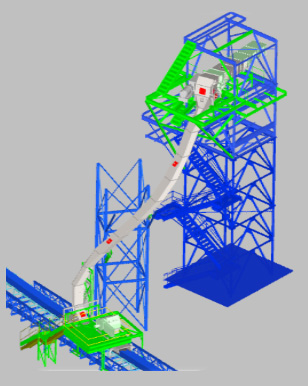
HES Tasked with designing a conveyor run down a 60ft drop on a ship loader.
Innovative design included utilizing existing tower and conveyor runs as part of the new system. The project included:
Relocating the head pulley in the new tower.
Adding in additional platforms and access.
New chute approximately 75’ long.
New skirting and dust collection.
Benefits:
- Plant can operate the balance of the new system.
- Transfer can handle multiple products.
- Dust control has been integrated into the solution.
Project: Flue Gas Dust Collection
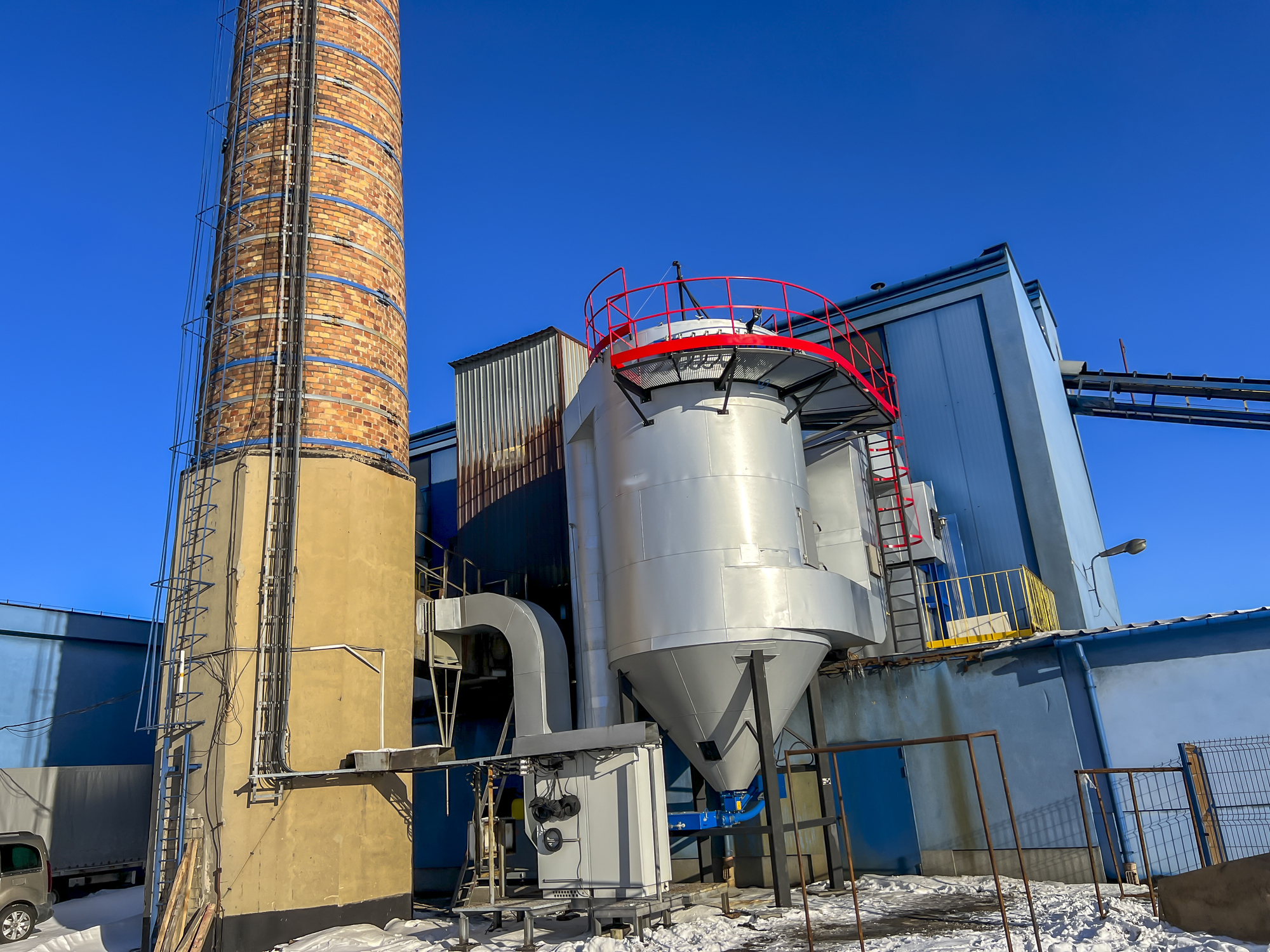
Client requested support in upgrading the existing flue gas dust collection system at a rice hull burning power plant.
The dust collected is sold as a specialized insulating material in addition to the plant providing 12 MW of power to the grid.
HES Worked with the client on requirements for new dust collector, ducting, heat exchangers, and capacity to design new system.
Benefits:
- Successful replacement of flue gas dust collector and secondary heater.
- Project installed under budget and ahead of schedule.
- New system improved capacity and performance.
Project: Potash Flexiveyor Transfer Point
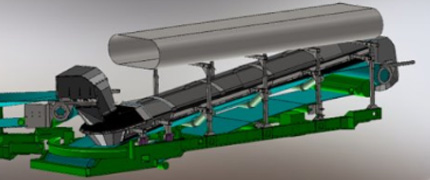
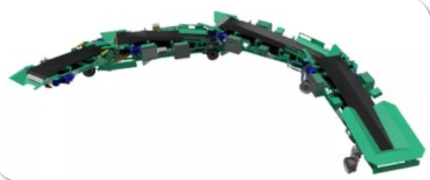
Client’s existing transfer system incurred plugging, spillage, reduced capacity, belt wear and excessive dusting. The footprint yielded low head room, tight turning of 110 deg, and articulation of 26 deg.
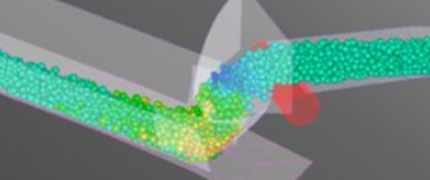
HES utilized DEM to drive a flexiveyor design to alleviate existing challenges and incorporated a low-profile ducting support system to reduce dust. Client has mandated this design use on all flexiveyors (50+ systems).
Benefits:
Successfully improved capacity, reduced spillage and plugging, and significantly reduced dusting.